Drain Field Replacement in Denver, CO
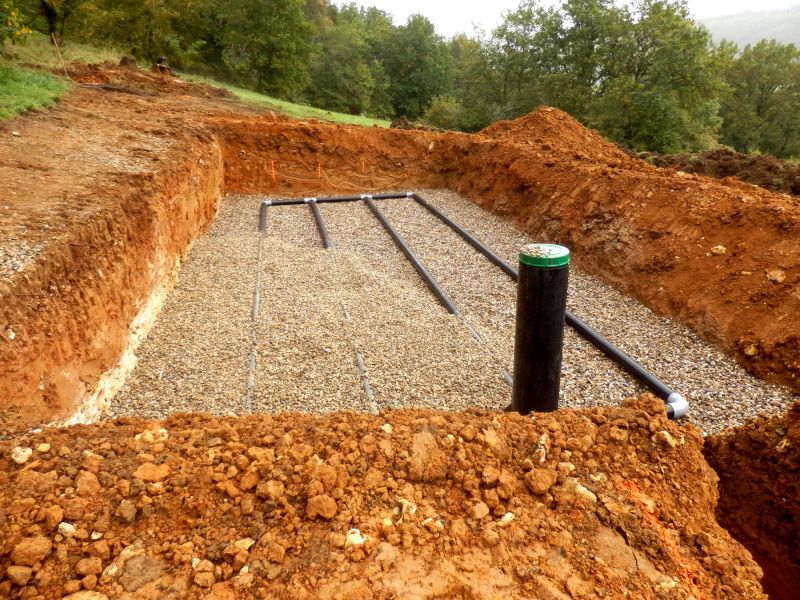
Drain field replacement services involve removing and installing an entirely new drain field system to ensure proper wastewater management on residential properties. These projects typically address issues such as system failure, persistent backups, or outdated infrastructure that no longer functions effectively. Homeowners should understand that replacing a drain field requires careful assessment of the property’s soil conditions, size, and existing septic system layout to determine the appropriate solution. It’s important to consider factors like the extent of damage, the need for excavation, and any local regulations that may influence the scope of work before requesting a replacement.
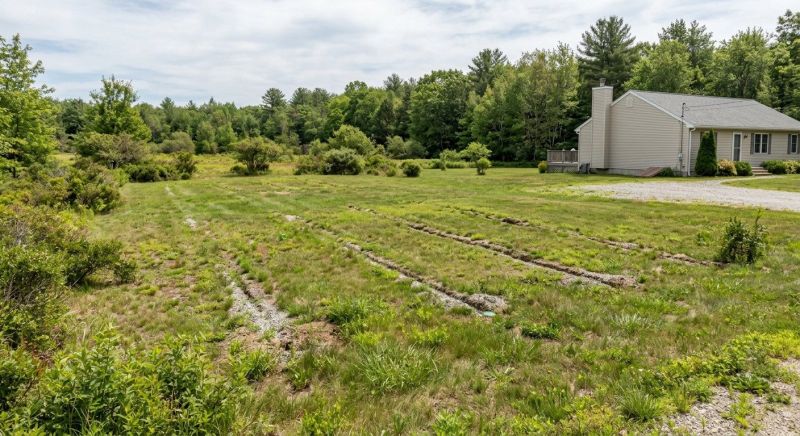
Property owners often want to know what signs indicate the need for drain field replacement, such as foul odors, lush patches of grass over the drain area, or slow drains throughout the home. They also inquire about the process involved, including potential disruptions to their property, the duration of the project, and any necessary preparations. Understanding these aspects can help homeowners make informed decisions and ensure the replacement process aligns with their property’s needs and local requirements.
Many property owners in Denver, CO look into Drain Field Replacement for repairs, replacements, upgrades, and appearance-related improvements.
Drain Field Replacement Services
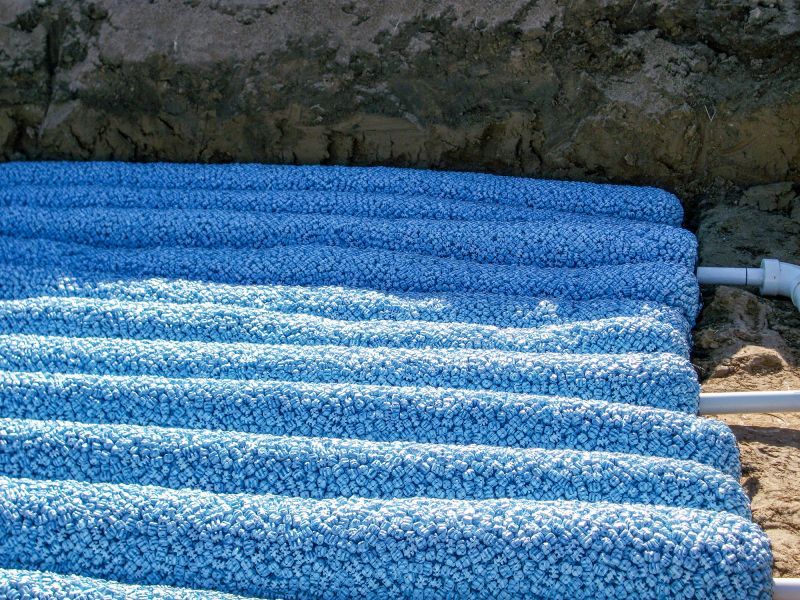
Examples of drain field replacement work property owners may explore in denver, co.
Drain Field Replacement Updates
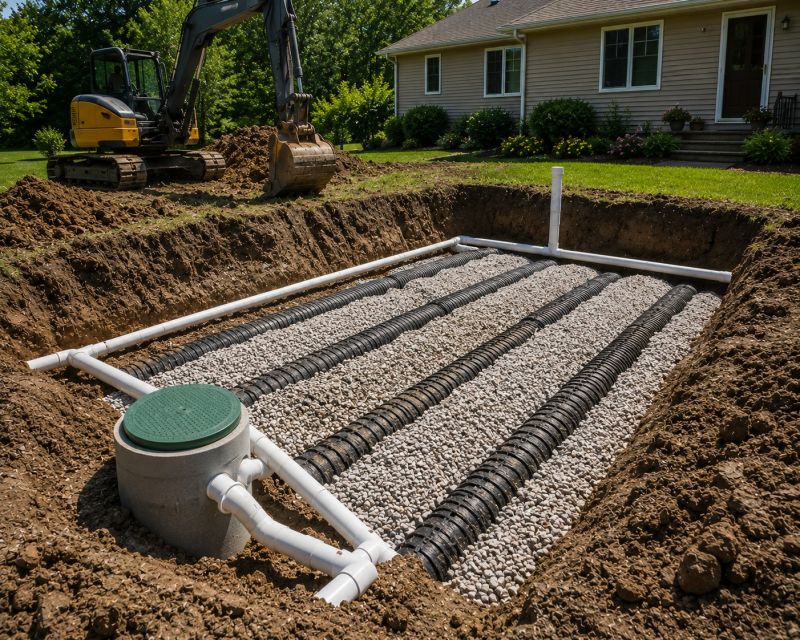
Common ways people refresh, improve, or restore drain field replacement features in denver, co.
Drain Field Replacement Options
Different styles, layouts, and finishes people consider for drain field replacement in denver, co.
Drain Field Replacement in Denver, CO

Drain field replacement services involve removing and installing an entirely new drain field system to ensure proper wastewater management on residential properties. These projects typically address issues such as system failure, persistent backups, or outdated infrastructure that no longer functions effectively. Homeowners should understand that replacing a drain field requires careful assessment of the property’s soil conditions, size, and existing septic system layout to determine the appropriate solution. It’s important to consider factors like the extent of damage, the need for excavation, and any local regulations that may influence the scope of work before requesting a replacement.
Property owners often want to know what signs indicate the need for drain field replacement, such as foul odors, lush patches of grass over the drain area, or slow drains throughout the home. They also inquire about the process involved, including potential disruptions to their property, the duration of the project, and any necessary preparations. Understanding these aspects can help homeowners make informed decisions and ensure the replacement process aligns with their property’s needs and local requirements.
Many property owners in Denver, CO look into Drain Field Replacement for repairs, replacements, upgrades, and appearance-related improvements.
Common Drain Field Replacement Jobs
Drain Field Replacement - Replaces aging or failing drain fields to restore proper wastewater flow.
Septic System Upgrades - Upgrades drain fields to improve system efficiency and meet current standards.
Drain Field Repair - Repairs damaged or clogged drain fields to prevent wastewater backup.
System Evaluation - Assesses the condition of existing drain fields to determine the need for replacement.
New Drain Field Installation - Installs new drain fields tailored to property size and soil conditions.
Drain Field Troubleshooting - Diagnoses issues causing drain field failure and recommends appropriate solutions.
Drain Field Replacement Questions
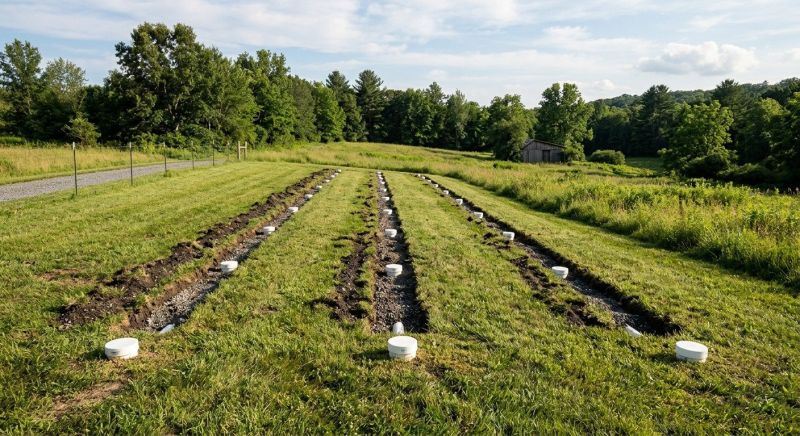
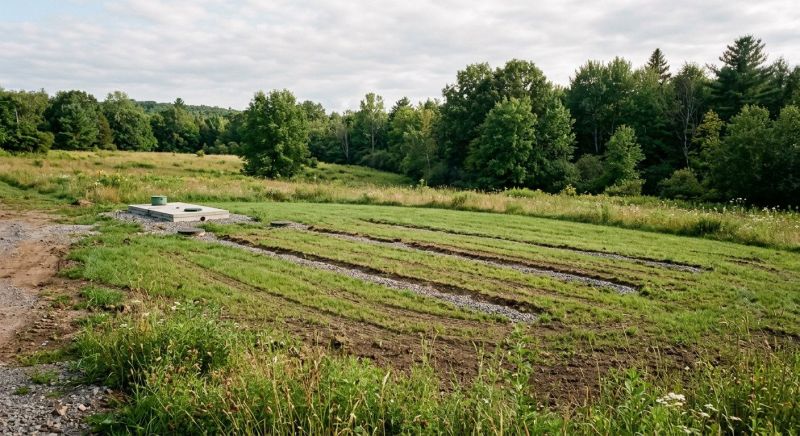
What is drain field replacement? It involves removing and installing a new drain field system to ensure proper wastewater dispersal from a septic system.
When is drain field replacement needed? Replacement is typically necessary if the existing drain field is failing, causing backups, or has significant soil or system damage.
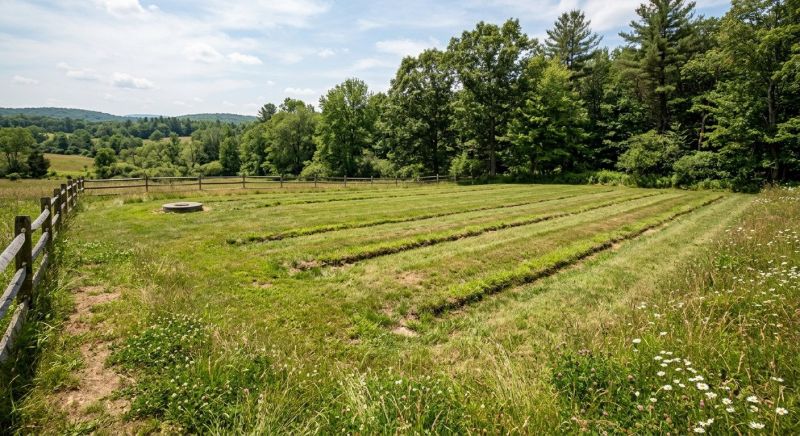
What signs indicate a drain field may need replacement? Common signs include persistent odors, soggy areas in the yard, slow drains, or sewage backups.
What should property owners consider before replacement? It’s important to evaluate the condition of the current system and ensure proper site assessment before proceeding with replacement.
Request Drain Field Replacement in Denver, CO
Use the quote form on this page to share the basics of your project and request more information for the type of work you need.